security
July 22, 2026

Zero Trust Adoption Accelerates with 78% of Enterprises Implementing

Zero Trust security frameworks see rapid enterprise adoption as organizations respond to evolving cyber threats and distributed workforce challenges.
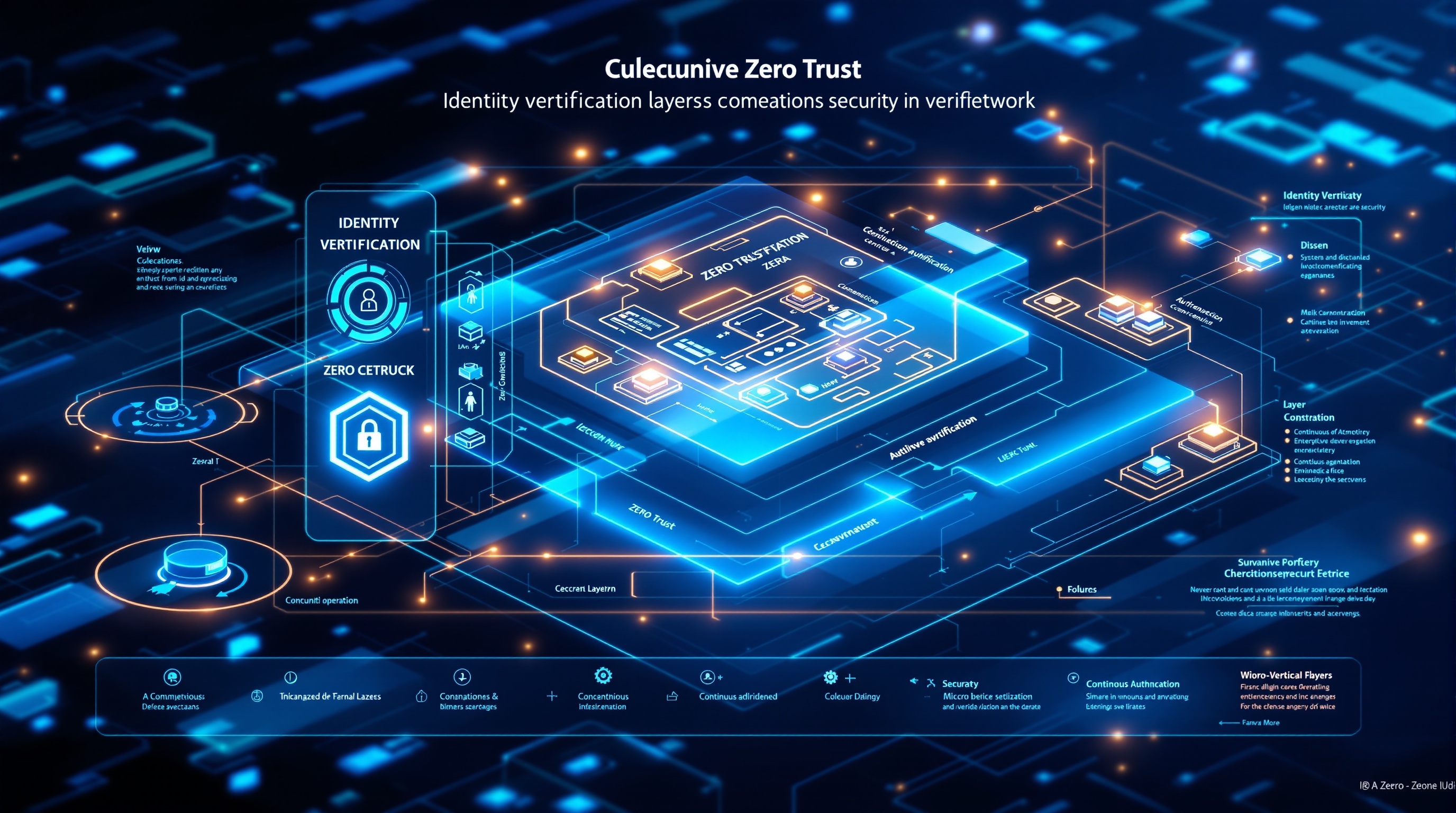
Source: Forrester Research
By James Mitchell
Zero Trust Adoption Accelerates with 78% of Enterprises Implementing

Zero Trust security adoption has reached a tipping point, with 78% of enterprises now implementing or planning Zero Trust architectures according to a recent Forrester survey, up from 45% in 2024.

The acceleration is driven by increasing sophistication of cyber threats, regulatory compliance requirements, and the permanent shift to hybrid work models. Organizations are moving away from perimeter-based security to identity-centric approaches that verify every access request.

"The traditional castle-and-moat security model is obsolete," stated Dr. Emily Watson, Chief Security Strategist at Palo Alto Networks. "Zero Trust assumes breach and requires continuous verification, significantly reducing attack surfaces and lateral movement opportunities."

Key implementation components include multi-factor authentication, micro-segmentation, least-privilege access controls, and continuous monitoring. Leading platforms from vendors including CrowdStrike, Zscaler, and Microsoft are providing integrated solutions that simplify Zero Trust deployment.

The cybersecurity market is projected to reach $345 billion by 2026, with Zero Trust solutions representing the fastest-growing segment. Organizations report average breach cost reductions of 43% after implementing comprehensive Zero Trust frameworks.

Source Attribution

Source: Forrester Research

Author: James Mitchell

Article curated and published by CloudStack Networks

Related Topics

Zero Trust
Cybersecurity
Identity Security
Network Segmentation

Related Articles

Palo Alto Networks Surges 28% as Cybersecurity Stocks Rally on AI-Security Demand and Platform Consolidation Momentum
security

Palo Alto Networks Surges 28% as Cybersecurity Stocks Rally on AI-Security Demand and Platform Consolidation Momentum

Palo Alto Networks led a broad cybersecurity sector rally in July 2026, gaining 28% in a single month as enterprise demand for AI-integrated security platforms and the "platformization" trend drove investor confidence, while CrowdStrike climbed 11% on July 14 and Fortinet continued to benefit from strong billings growth tied to AI and operational technology security demand.

Ransomware Surge Targets Manufacturing and Financial Services in July 2026 as AI-Enhanced Phishing Campaigns Proliferate
security

Ransomware Surge Targets Manufacturing and Financial Services in July 2026 as AI-Enhanced Phishing Campaigns Proliferate

July 2026 saw a significant escalation in ransomware activity targeting enterprise organizations, with confirmed attacks on Nidec, Aflac, River Bank & Trust, and the Indra Group, while security researchers documented the emergence of AI-generated phishing campaigns and browser-native ransomware as threat actors leverage large language models to scale and sophisticate their operations.

Autonomous AI Agents Become Prime Cybersecurity Targets as Enterprises Deploy Agentic Systems Without Adequate Governance
security

Autonomous AI Agents Become Prime Cybersecurity Targets as Enterprises Deploy Agentic Systems Without Adequate Governance

Security researchers warn that autonomous AI agents and Model Context Protocol servers have become high-value targets for model hijacking and prompt injection attacks, as enterprises deploy agentic AI systems faster than security governance frameworks can adapt—requiring organizations to treat AI agents as privileged identities with strict access controls.