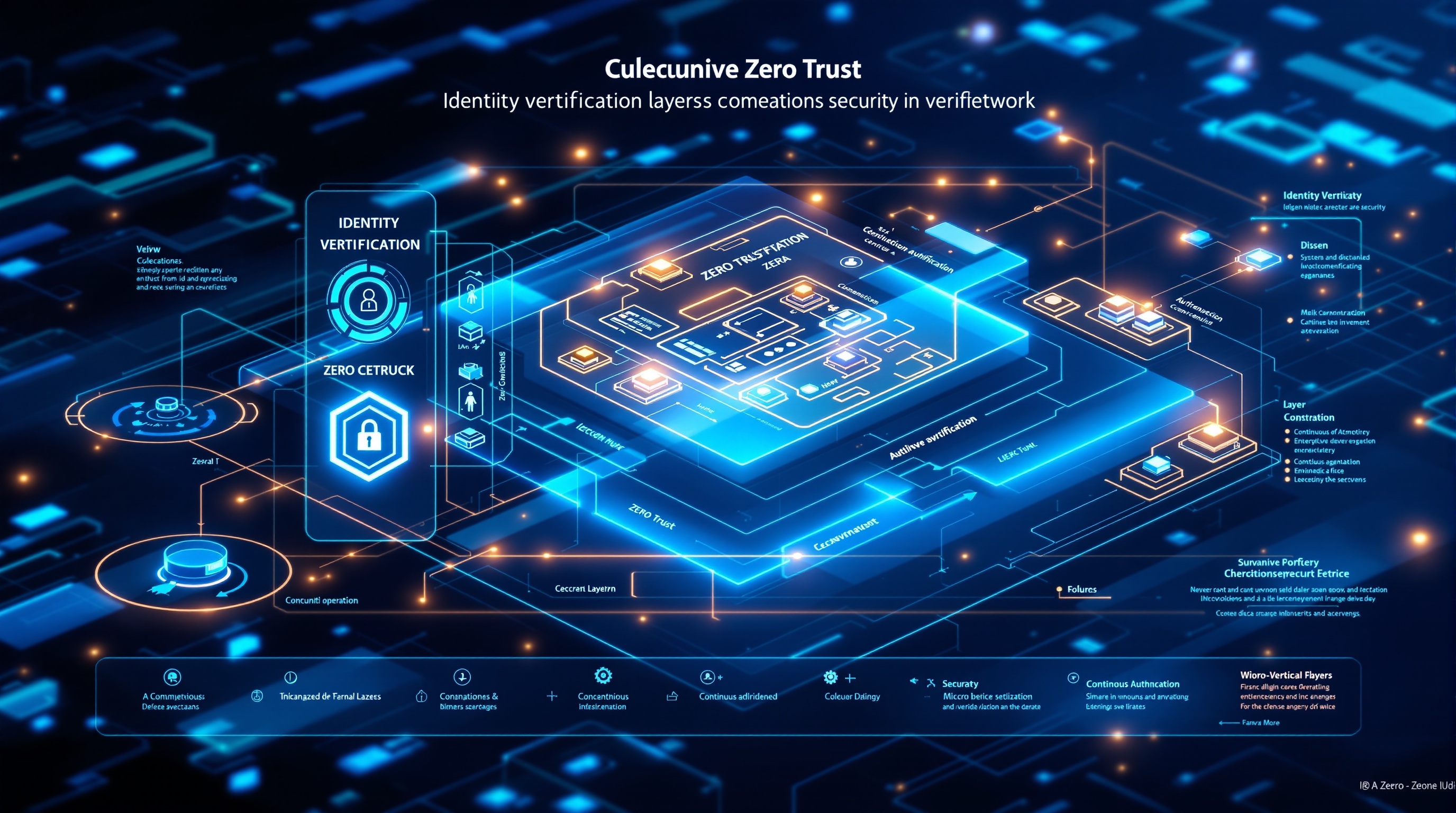
Autonomous AI Agents Become Prime Cybersecurity Targets as Enterprises Deploy Agentic Systems Without Adequate Governance
Security researchers warn that autonomous AI agents and Model Context Protocol servers have become high-value targets for model hijacking and prompt injection attacks, as enterprises deploy agentic AI systems faster than security governance frameworks can adapt—requiring organizations to treat AI agents as privileged identities with strict access controls.

A new category of cybersecurity risk has emerged at the intersection of enterprise AI adoption and security governance: autonomous AI agents and the Model Context Protocol (MCP) servers that power them have become prime targets for sophisticated threat actors, who recognize that a compromised AI agent with broad system access represents a far more valuable foothold than a compromised endpoint device.
Security researchers at leading firms including CrowdStrike, Vectra AI, and Trend Micro have documented a pattern of "model hijacking" and prompt injection attacks targeting enterprise AI deployments in 2026. These attacks exploit the fundamental architecture of agentic AI systems, which are designed to accept natural language instructions and execute multi-step actions across enterprise systems. By injecting malicious instructions into the data streams that AI agents process—through compromised documents, manipulated API responses, or poisoned knowledge bases—attackers can redirect agent behavior without triggering traditional security controls.
The governance gap is significant. Industry analysis indicates that AI adoption is currently outpacing operational governance frameworks, with many enterprises deploying agentic AI systems that have broad access to CRM data, communication platforms, financial systems, and identity infrastructure without the monitoring, access controls, and audit trails that would be applied to human users with equivalent access levels.
Security experts are converging on a set of defensive principles for agentic AI deployments. Treating AI agents as high-privilege users—applying the same identity governance, least-privilege access controls, and behavioral monitoring that organizations apply to privileged human accounts—is emerging as the foundational requirement. This includes maintaining rigorous supply chain management for third-party AI tools, as the model and plugin ecosystems that power enterprise AI agents introduce supply chain risks analogous to those associated with open-source software dependencies.
The threat landscape is further complicated by the rise of AI-enhanced phishing and deepfake campaigns that specifically target the human oversight layer of agentic AI systems. By impersonating executives or IT administrators through AI-generated voice and video, attackers can manipulate the human approvals that serve as guardrails for high-stakes AI agent actions—effectively bypassing both the AI governance layer and traditional social engineering defenses simultaneously.
Continuous validation has replaced annual security audits as the baseline expectation for organizations with significant agentic AI deployments. Red teaming exercises specifically designed to test AI agent behavior under adversarial conditions, breach-and-attack simulations that mimic AI-enabled adversaries, and real-time monitoring of AI agent API calls and data access patterns are becoming standard components of enterprise security programs. For MSPs providing managed security services, the emergence of agentic AI as a distinct attack surface represents both a new service category and an urgent client education priority.
Source Attribution
Source: CIO.com / Vectra AI / Trend Micro / Seceon
Author: CloudStack Networks Editorial
Article curated and published by CloudStack Networks