Salesforce Agentforce and Zoom Agent Architect Redefine CCaaS as Agentic AI Becomes Standard in Contact Centers
Salesforce's Agentforce Contact Center and Zoom's Agent Architect platform are leading a fundamental shift in CCaaS architecture, where autonomous AI agents now handle end-to-end customer resolutions rather than simple deflection—with Zoom reporting AI components included in 100% of its top 10 contact center deals.
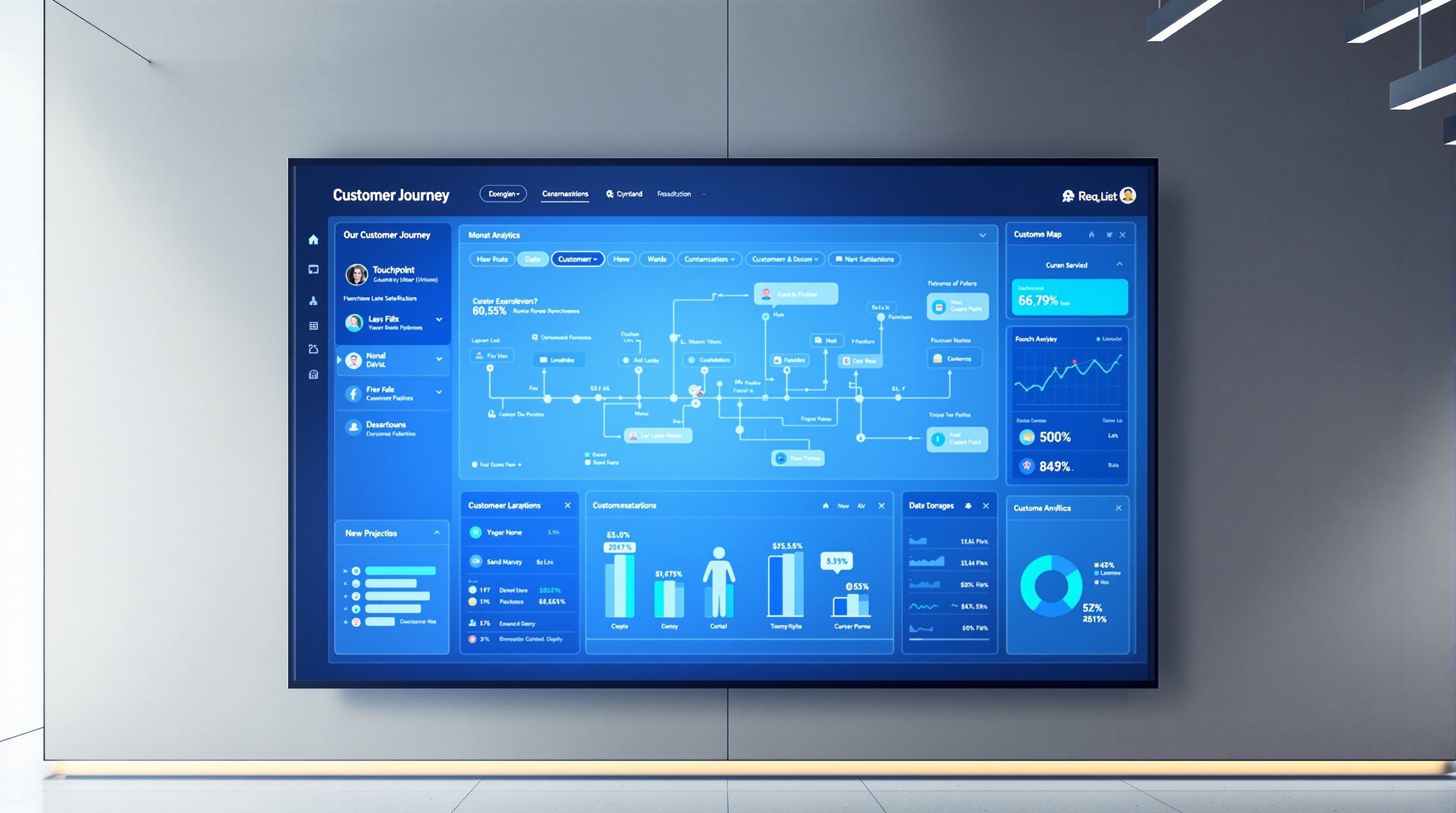
The Contact Center as a Service market has undergone a fundamental architectural transformation in mid-2026, moving decisively from AI-assisted workflows to fully agentic systems capable of autonomous end-to-end customer resolution. The shift is being led by Salesforce's Agentforce Contact Center and Zoom's Agent Architect platform, both of which represent a departure from the chatbot-and-escalation model that defined the previous generation of AI-enhanced contact centers.
Salesforce's Agentforce Contact Center natively unifies CRM data, voice, and digital channels within a single platform, eliminating the integration overhead that has historically made it difficult for contact centers to deliver consistent experiences across touchpoints. The platform's Workforce Engagement Management (WEM) capability allows operations leaders to manage human and AI agents within a single console, applying the same scheduling, quality scoring, and performance monitoring disciplines to AI agents that have traditionally been reserved for human staff.
Zoom's Agent Architect takes a complementary approach, allowing contact center teams to turn natural language prompts into production-ready voice and digital virtual agents without manual coding. The platform's Virtual Agent 3.0 is explicitly designed around what Zoom calls the "resolution economy"—measuring success not by deflection rates but by the percentage of issues fully resolved without human intervention. Zoom reported that AI components were included in 100% of its top 10 contact center deals in its most recent earnings period, with Contact Center ARR growing in high double-digits.
RingCentral's AIR Pro platform, which launched at Enterprise Connect 2026, continues to gain traction as an agentic voice AI solution for autonomous customer engagement. The platform's intelligent handoff capability—which carries full customer history and context into live conversations when human intervention is required—has been cited by enterprise customers as a key differentiator over competitors that treat AI and human agent interactions as separate workflows.
A strategic debate is emerging between two competing architectural philosophies: Salesforce's "CRM-as-nerve-center" approach, which positions customer data as the primary organizing principle for AI agents, and the "unified CX fabric" model advocated by Zoom, RingCentral, Talkdesk, and 8x8, which builds AI orchestration around communications and contact center interaction data. The outcome of this debate will significantly influence enterprise CCaaS procurement decisions over the next 18 to 24 months.
For enterprise IT leaders and MSPs advising clients on contact center modernization, the July 2026 market signals that the window for deploying traditional chatbot-based AI is closing rapidly. Organizations that have not yet begun evaluating agentic CCaaS architectures risk falling behind competitors who are already measuring AI performance against business KPIs like Net Promoter Score and first-contact resolution rates.
Source Attribution
Source: TechRepublic / CX Today / SiliconAngle
Author: CloudStack Networks Editorial
Article curated and published by CloudStack Networks