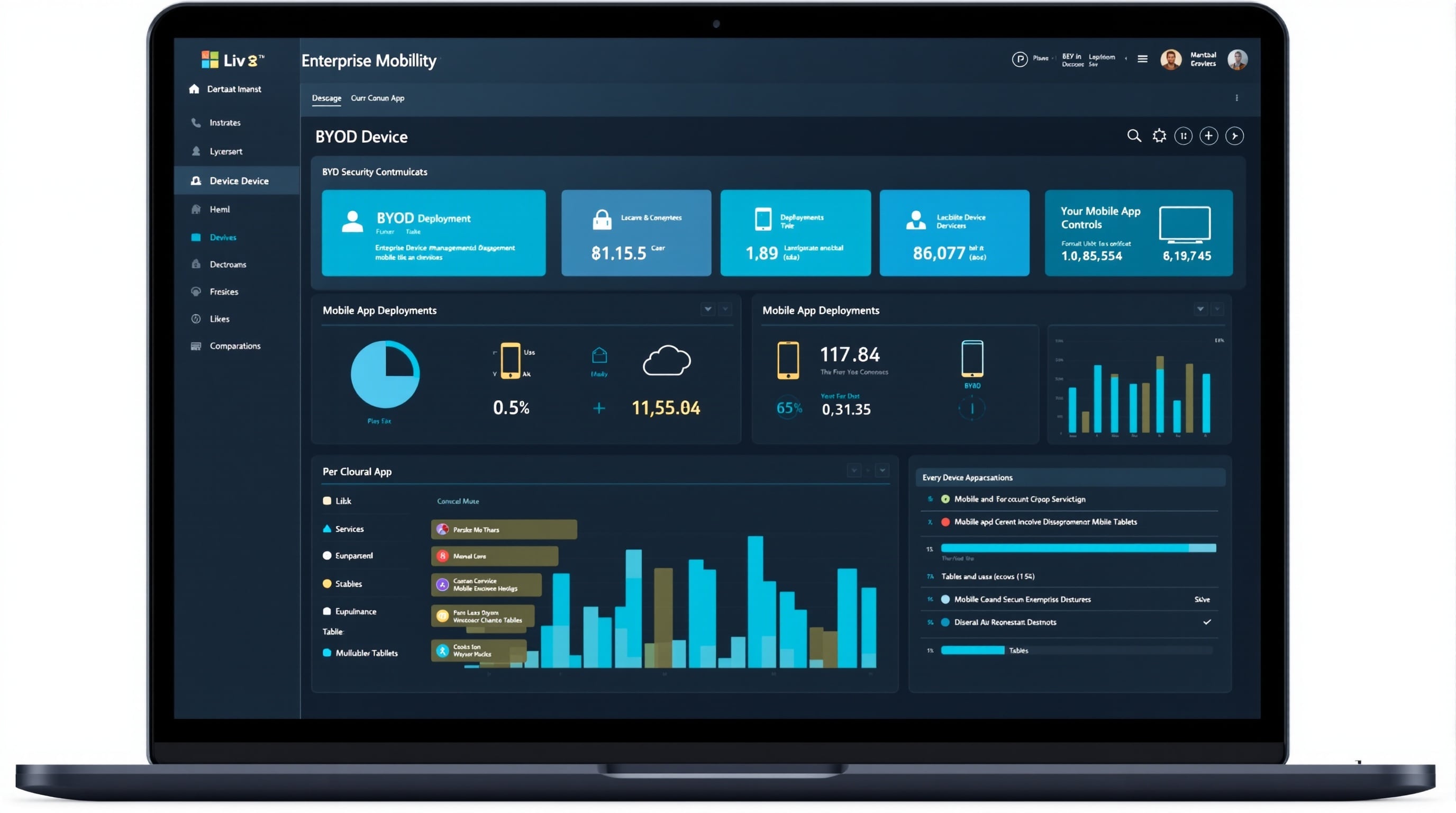
AWS and Microsoft Deploy $3.5B in Forward Deployed Engineering as Enterprise AI Adoption Gap Widens
AWS's $1 billion and Microsoft's $2.5 billion commitments to embed engineers directly within enterprise organizations signal a critical inflection point: with 95% of generative AI pilots failing to deliver measurable profit impact, hyperscalers are shifting from software sales to co-deployment partnerships.
The enterprise AI market reached a critical inflection point in early July 2026 as two of the world's largest cloud providers committed a combined $3.5 billion to "forward deployed engineering" (FDE) initiatives—a strategy of embedding technical staff directly within customer organizations to accelerate the implementation of agentic AI systems. AWS committed $1 billion to an FDE organization on June 30, followed by Microsoft's launch of a $2.5 billion "Frontier Company" on July 2, deploying 6,000 experts to co-build agentic systems alongside enterprise clients.
The scale of these commitments reflects a sobering market reality: approximately 95% of enterprise generative AI pilots have failed to deliver measurable profit impact, creating a "deployment bottleneck" that software sales alone cannot resolve. The FDE model, pioneered by Palantir, recognizes that the primary barrier to enterprise AI value is not model capability but organizational change management, data infrastructure readiness, and the translation of business requirements into effective agentic architectures.
Research from Google Cloud reinforces the urgency: 83% of organizations report that they require infrastructure upgrades to support agentic AI at scale, citing the need for fluid compute resources and centralized governance frameworks to manage "agent sprawl"—the proliferation of autonomous AI agents operating across enterprise systems without coordinated oversight.
Microsoft 365 Copilot's paid seat penetration remains under 5% after three years of availability, a figure that underscores the gap between vendor sales efforts and actual day-to-day enterprise usage. This adoption shortfall has prompted Microsoft to shift its go-to-market strategy from broad licensing to targeted co-deployment, focusing on specific high-value use cases where measurable ROI can be demonstrated within 90 days.
OpenAI's July 2026 release of GPT-5.6 and "ChatGPT Work"—an agentic tool designed to automate complex workplace tasks by pulling context from connected applications—represents the latest attempt to bridge the adoption gap through product design rather than deployment support. The platform features token-based usage controls rather than flat subscriptions, allowing enterprises to scale AI consumption in alignment with demonstrated value rather than committing to fixed seat counts.
Anthropic's rollout of Sonnet 5 via Amazon Bedrock and the introduction of "Claude Reflect"—a beta dashboard designed to help users analyze their AI usage patterns and maintain human-led workflows—reflects a growing industry recognition that governance and transparency are as important as capability in driving enterprise adoption.
For enterprise IT leaders and MSPs, the FDE trend signals a fundamental shift in how AI technology is procured and deployed. Organizations that approach AI as a software purchase are increasingly finding themselves at a competitive disadvantage compared to those that treat it as a co-development partnership requiring sustained investment in organizational capability building alongside technology deployment.
Source Attribution
Source: Infotech Research / Google Cloud / OpenAI
Author: CloudStack Networks Editorial
Article curated and published by CloudStack Networks