European Cloud and AI Development Act Proposes Four-Level Data Sovereignty Framework
The European Commission's proposed Cloud and AI Development Act (CADA), introduced June 3, 2026, establishes a four-level sovereignty framework for cloud and AI services, accelerating enterprise demand for regional data residency and sovereign infrastructure alternatives to US-centric hyperscalers.
The European Commission formally proposed the Cloud and AI Development Act (CADA) on June 3, 2026, establishing a comprehensive four-level sovereignty framework designed to ensure data residency, minimize foreign legal interference, and create a structured pathway for European enterprises to assess and select cloud and AI services based on their sovereignty requirements.
The proposed regulation arrives as global enterprises increasingly seek independence from US-centric cloud providers, driven by concerns about data access under foreign legal frameworks, geopolitical uncertainty, and the growing importance of AI training data governance. The CADA framework creates clear tiers ranging from standard commercial cloud services to fully sovereign infrastructure with no foreign legal exposure.
The legislation is expected to significantly accelerate enterprise demand for regional data residency options, sovereign cloud deployments, and European-developed AI models. In parallel, the European Commission selected the EUROPA Consortium to build a sovereign, open-source AI model exceeding 400 billion parameters, trained natively in all 24 official EU languages, as a strategic alternative to US-developed foundation models.
For enterprise technology buyers, the CADA framework creates both compliance obligations and procurement clarity. Organizations operating in regulated sectors—financial services, healthcare, critical infrastructure—will need to assess their current cloud and AI deployments against the new sovereignty tiers and develop migration roadmaps where necessary.
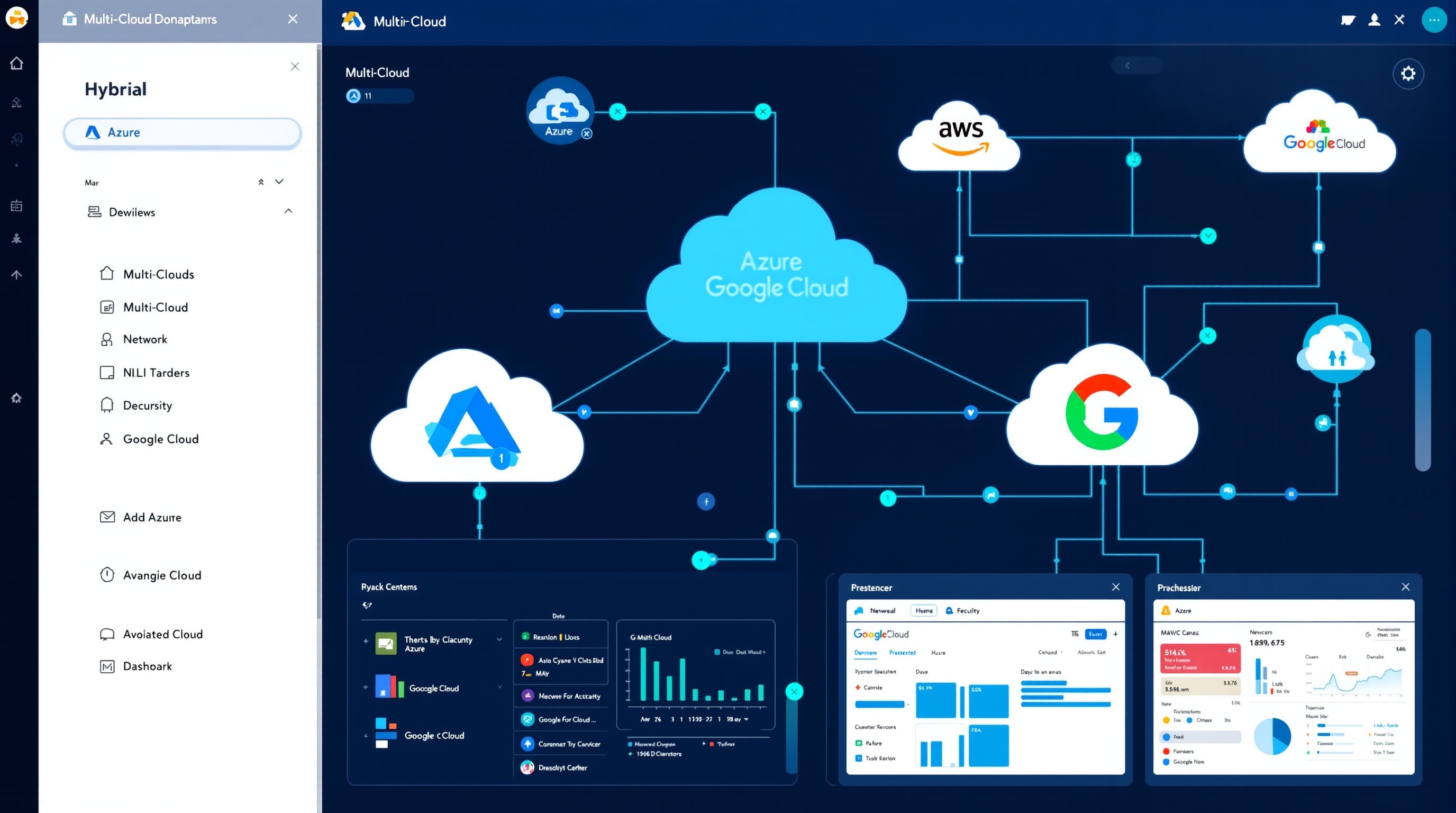
Major cloud providers including AWS, Microsoft Azure, and Google Cloud have been expanding their European sovereign cloud offerings in anticipation of increased regulatory requirements. Microsoft's EU Data Boundary initiative and AWS's European Sovereign Cloud are positioned to address the upper tiers of the CADA framework, though analysts note that true sovereignty—where no foreign legal access is possible—may require European-owned and operated infrastructure.
The AI governance dimension of CADA also addresses the deployment of AI systems in enterprise contexts, requiring explainability, audit trails, and human-in-the-loop oversight for high-risk AI applications. This aligns with broader enterprise AI governance trends identified in Deloitte's 2026 State of AI in the Enterprise report, which found that while 66% of organizations report productivity gains from AI, only one in five companies currently possesses a mature governance model for autonomous AI agents.
Hardware constraints are emerging as a parallel challenge for European sovereign cloud ambitions. Gartner projects that 40% of domestic US data centers will face severe power constraints by 2027, a trend that is also affecting European data center expansion plans and creating opportunities for energy-efficient infrastructure providers.
Enterprise technology leaders evaluating cloud strategy in light of CADA should begin sovereignty assessments now, engage with legal and compliance teams to map data flows against the proposed framework tiers, and evaluate vendor roadmaps for sovereign cloud capabilities before the regulation takes effect.
Source Attribution
Source: European Commission / DevFlokers
Author: CloudStack Networks Editorial
Article curated and published by CloudStack Networks