Palo Alto Networks Spark Summit Addresses SD-WAN for the AI Era as SASE Consolidation Accelerates Enterprise Branch Transformation
Palo Alto Networks' June 2026 Spark User Summit focuses on SD-WAN architectures resilient to machine-driven risks, as enterprises abandon standalone SD-WAN for integrated SASE platforms featuring Universal ZTNA, AI-driven predictive security, and sovereign deployment options amid intensifying data residency regulations.
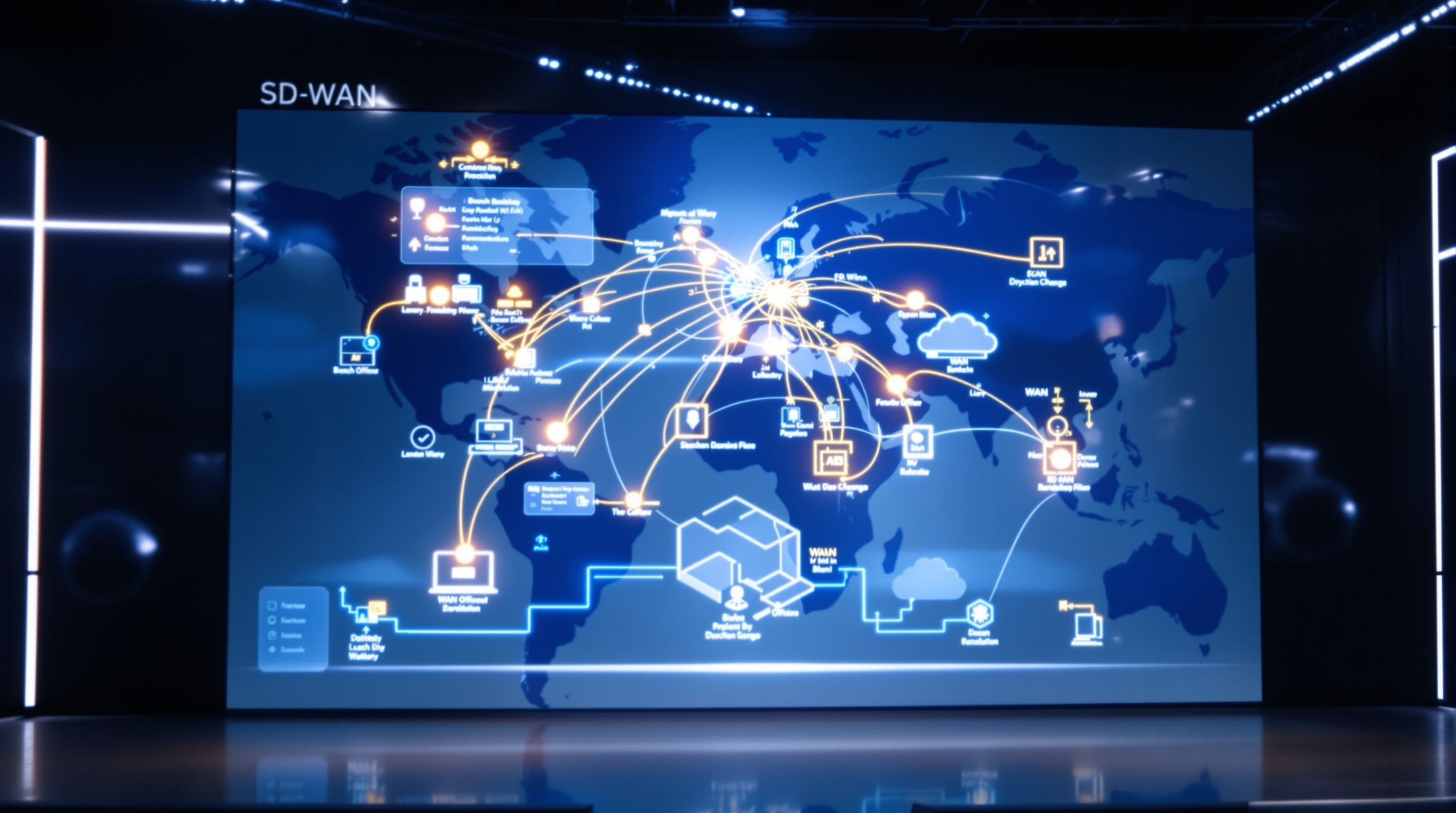
Palo Alto Networks convened its June 2026 Spark User Summit with a focused agenda on "SD-WAN for the AI Era," reflecting the industry's recognition that enterprise branch network architectures designed for human-speed threats and human-operated applications are fundamentally inadequate for environments where AI agents, IoT devices, and autonomous workflows are becoming primary network consumers.
The summit's technical sessions addressed the architectural components required to build SASE and SD-WAN solutions resilient against machine-driven risks — a category of threat that has expanded dramatically as attackers leverage AI to accelerate vulnerability exploitation, automate lateral movement, and conduct social engineering at scale. Palo Alto's "Precision AI" strategy, which integrates AI-powered threat detection across its Strata Network Security Platform, is central to the company's response to this evolving threat landscape.
The broader SD-WAN and SASE market is experiencing a decisive shift away from standalone SD-WAN deployments toward integrated SASE platforms. Organizations that deployed SD-WAN in the 2019-2023 period for routing efficiency and broadband cost savings are now discovering that these deployments lack the security capabilities required for cloud-first application environments and distributed workforces. The result is a wave of SASE consolidation projects that are replacing fragmented branch security stacks — isolated firewalls, secure web gateways, and cloud access security brokers — with unified, cloud-delivered platforms.
Six primary trends are defining the SASE evolution in 2026. Universal Zero Trust Network Access has become a foundational pillar rather than a peripheral feature, providing consistent identity-driven policy enforcement across all users, application types, and device classes. AI-driven predictive security is moving SASE platforms from reactive threat detection to proactive risk mitigation, analyzing telemetry across identity, device posture, and network behavior to identify threats before they manifest as breaches or outages.
The "coffee shop networking" model — a wireless-first, internet-first branch architecture that offloads security enforcement to cloud-based SASE policies — has transitioned from a conceptual framework to a mainstream deployment strategy. This approach eliminates the need for complex branch hardware while maintaining enterprise-grade security through cloud-delivered policy enforcement. IoT security has been integrated directly into SASE fabrics, extending zero trust controls to unmanaged devices through behavioral analysis and device profiling.
Sovereign SASE has emerged as a critical requirement for organizations operating in jurisdictions with strict data residency regulations. As European data sovereignty legislation intensifies and similar frameworks emerge in Asia-Pacific and Middle Eastern markets, enterprises are demanding regionalized SASE deployment options that ensure traffic processing and telemetry storage occur within approved geographic boundaries. This requirement is driving SASE vendors to expand their point-of-presence footprints and develop single-tenant deployment architectures for regulated industries.
The competitive landscape continues to be shaped by major acquisitions from 2025, including HPE's purchase of Juniper Networks and Arista's acquisition of VMware's VeloCloud SD-WAN business. These consolidations are accelerating the integration of networking and security capabilities into unified platforms, reducing the number of vendors enterprises need to manage while increasing the depth of integration between network performance optimization and security policy enforcement.
Source Attribution
Source: Palo Alto Networks LIVEcommunity / HPE Community / SDxCentral / Computer Weekly
Author: CloudStack Networks Editorial
Article curated and published by CloudStack Networks