Check Point VPN Zero-Day CVE-2026-50751 and AI Self-Replicating Worms Define June 9, 2026 Threat Landscape
A critical Check Point VPN authentication bypass (CVE-2026-50751, CVSS 9.3), Google Chrome V8 exploit (CVE-2026-11645), and University of Toronto proof-of-concept AI worm capable of autonomous network traversal and self-replication define the June 9, 2026 enterprise cybersecurity threat landscape.
The enterprise cybersecurity threat landscape on June 9, 2026 is defined by a convergence of critical infrastructure vulnerabilities and a new generation of AI-powered autonomous threats that are fundamentally challenging traditional defensive frameworks. Security teams are responding to active exploitation of multiple high-severity vulnerabilities while simultaneously preparing for a future where AI-driven malware can adapt and propagate without human intervention.
The most critical immediate threat is CVE-2026-50751, a logic flow weakness in Check Point VPN's IKEv1 certificate validation process with a CVSS score of 9.3. The vulnerability allows unauthenticated remote attackers to bypass authentication and establish unauthorized VPN sessions, potentially providing direct access to enterprise networks without requiring valid credentials. The severity of this flaw—combined with the widespread deployment of Check Point VPN in enterprise environments—has prompted urgent warnings from security researchers and CISA.
Google Chrome's V8 JavaScript engine is also under active exploitation through CVE-2026-11645, a high-severity out-of-bounds memory access vulnerability with a CVSS score of 8.8. The flaw is being exploited in the wild, requiring immediate patching across enterprise browser deployments. Additionally, CVE-2026-42271, a command injection flaw in LiteLLM with a CVSS score of 8.7, has been added to CISA's Known Exploited Vulnerabilities catalog after evidence of active exploitation—a particularly concerning development given LiteLLM's widespread use in enterprise AI deployments.
The most strategically significant development is a proof-of-concept AI worm developed by researchers at the University of Toronto, capable of traversing networks, generating tailored attack strategies, and self-replicating without human intervention. Unlike traditional malware that relies on predefined attack patterns, this AI-powered worm can inspect network services at runtime and generate new attack paths dynamically, rendering signature-based detection systems ineffective. The "Hades" variant of the Miasma worm has already demonstrated these capabilities in the wild, compromising numerous packages in the PyPI registry through automated supply chain attacks.
Supply chain security remains a critical vulnerability, with incidents quadrupling over the past five years according to IBM's 2026 research. The compromise of developer tools and open-source repositories represents a particularly high-value attack vector, as demonstrated by Microsoft's decision to implement a two-hour delay for automatic VS Code extension updates following the Miasma worm campaign. Organizations are responding by implementing software composition analysis, dependency scanning, and cryptographic signing for all software artifacts in their build pipelines.
The World Economic Forum's Global Cybersecurity Outlook 2026 report reveals that the percentage of firms assessing the security of AI tools before deployment has nearly doubled to 64%, reflecting growing awareness of AI systems as both defensive assets and attack surfaces. However, a clear divide persists between executive concerns—which focus on cyber-enabled fraud and AI-related vulnerabilities—and CISO priorities, which remain anchored in ransomware resilience and supply chain security.
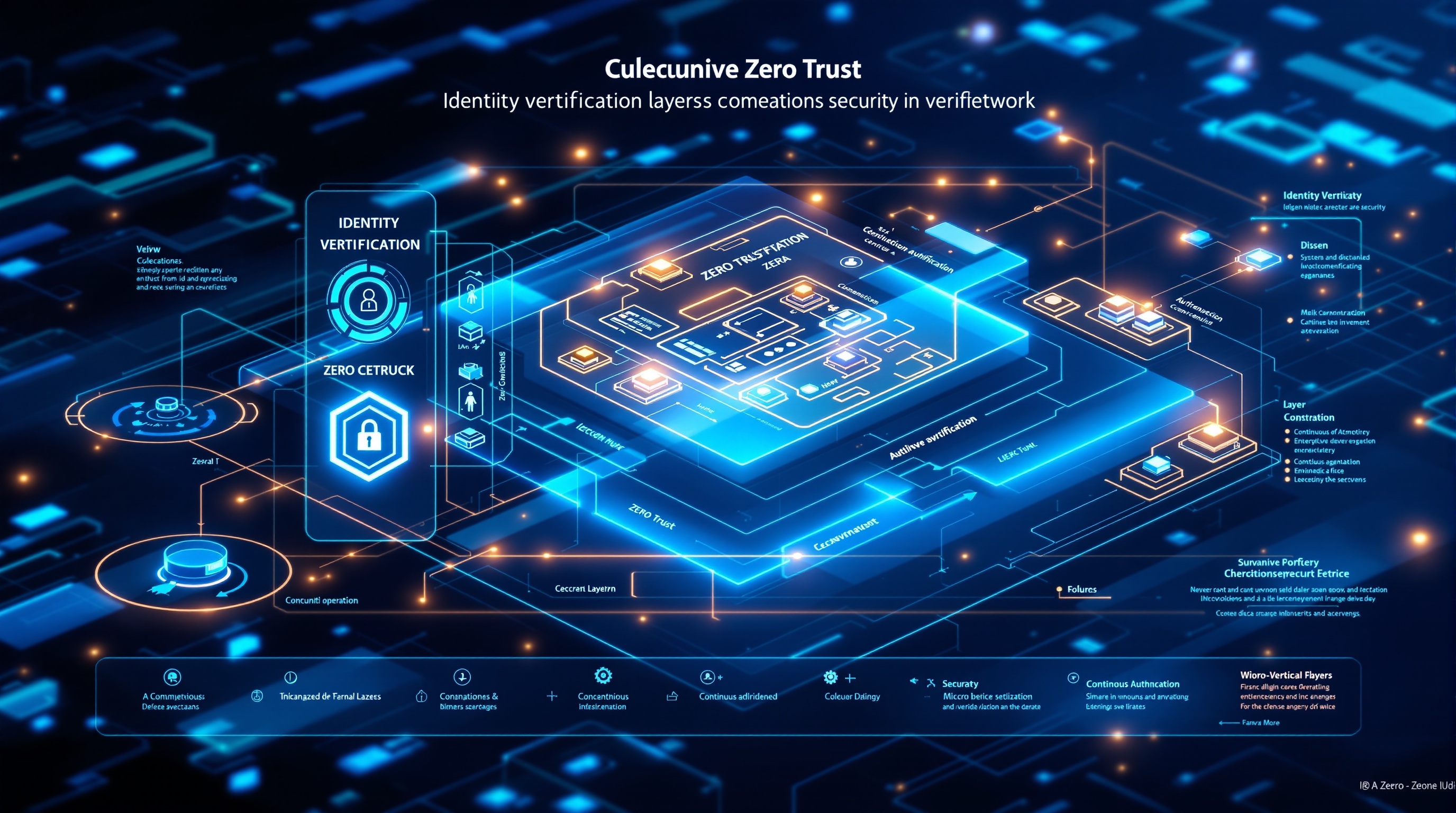
Organizations are accelerating the transition to autonomous security operations, where AI agents assist in threat hunting, incident investigation, and automated remediation to combat the crushing volume of alerts generated by AI-accelerated phishing campaigns. Zero Trust architectures have matured beyond simple user identity verification to include continuous validation of device health, API behavior, and AI system integrity. Continuous Threat Exposure Management (CTEM) is replacing periodic vulnerability scanning, with security leaders shifting toward continuous validation of attack paths to identify how adversaries might exploit their specific environments before attackers can capitalize on newly discovered vulnerabilities.
Source Attribution
Source: The Hacker News / Security Week / CISA / WEF Global Cybersecurity Outlook 2026
Author: CloudStack Networks Editorial
Article curated and published by CloudStack Networks