RingCentral Embeds Contact Center Bundle in Microsoft Teams as CCaaS Market Splits Between Informal and Formal Deployments
RingCentral's June 2026 integration of its Customer Engagement Bundle natively into Microsoft Teams targets mid-market businesses, while FCC data sovereignty rules and Google Cloud CCaaS platform updates are reshaping how enterprises deploy contact center AI.
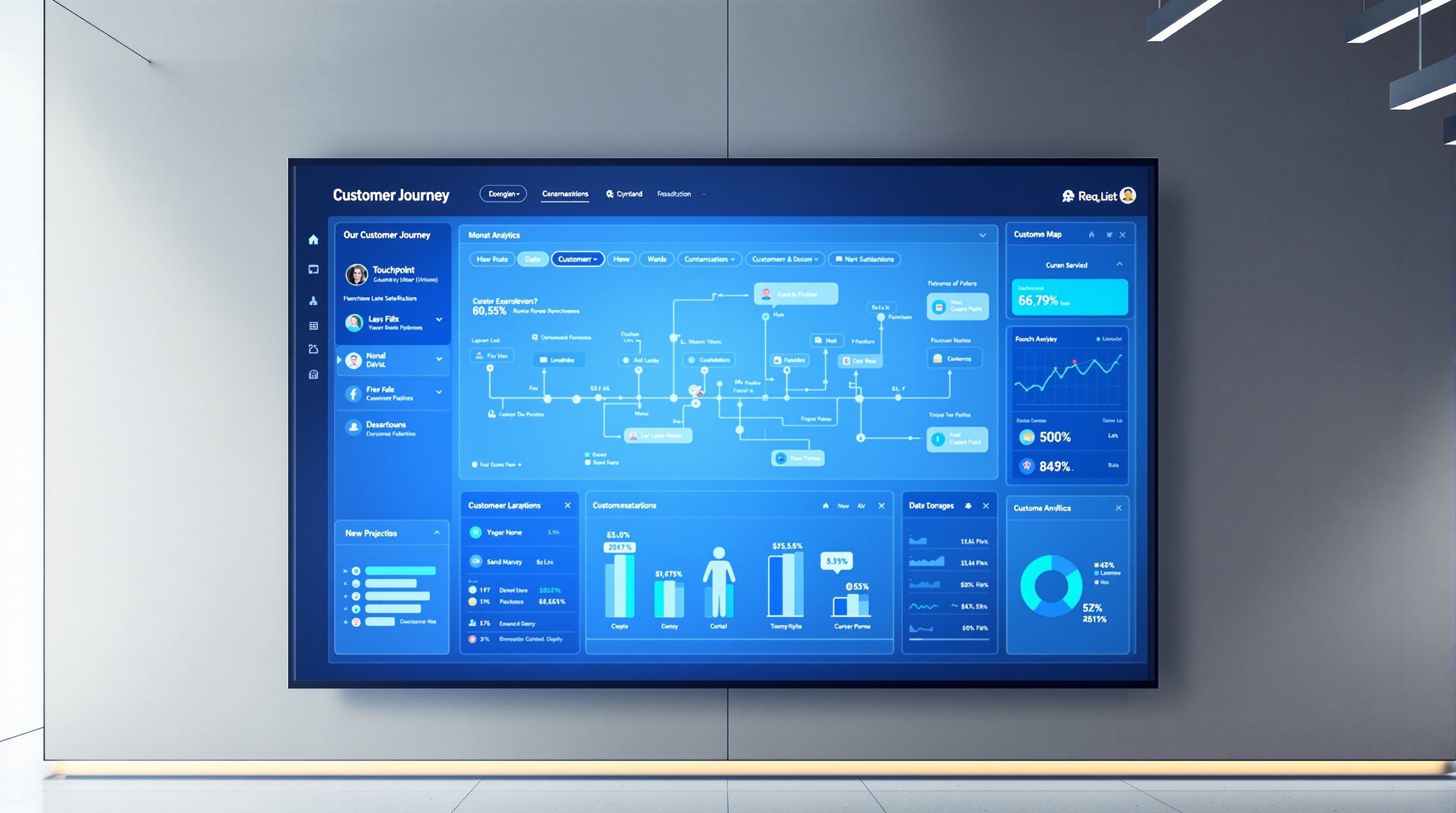
The CCaaS market is undergoing a structural bifurcation in June 2026, with RingCentral's latest Microsoft Teams integration and new regulatory pressures from the FCC accelerating a divide between "informal" contact centers embedded in collaboration tools and enterprise-grade CCaaS platforms.
RingCentral has embedded its Customer Engagement Bundle (CEB) natively into Microsoft Teams, targeting mid-market businesses that require contact center-grade capabilities—including intelligent queuing, skills-based routing, and real-time analytics—without the overhead of a full enterprise CCaaS deployment. The integration allows Teams users to access queue management, agent dashboards, and supervisor controls directly within the Teams interface, eliminating the need for a separate CCaaS client. This move positions RingCentral to capture the growing segment of organizations that have standardized on Teams for collaboration but need more sophisticated customer engagement capabilities than Teams alone provides.
The regulatory landscape is adding urgency to CCaaS architecture decisions. The FCC's March 2026 Notice of Proposed Rulemaking has introduced strict requirements for U.S.-based call handling for sensitive consumer data, effectively limiting the use of offshore BPOs for financial, medical, and identity-related transactions. European legislation slated for August 2026 regarding data sovereignty is expected to further alter how AI models are deployed within contact centers, forcing organizations to prioritize "governance-first" AI strategies and regional data residency.
Google Cloud has been actively updating its CCaaS platform throughout May and June 2026. Recent features include "Fewest Agents Routing" to optimize agent utilization, advanced call scheduling in the headless SDK, and new queue status endpoints for real-time voice AI decision-making. Google also announced that web SDK v2 will be deprecated on June 26, 2026, requiring users to migrate to v3—a transition that has prompted many enterprises to reassess their CCaaS architecture and vendor relationships.
The broader industry trend toward agentic AI is reshaping contact center operations. By mid-2026, the industry has moved beyond simple chatbots toward agentic AI systems capable of end-to-end task resolution—updating accounts, resolving billing issues, and processing returns—within defined governance boundaries. Gartner projects that agentic AI will autonomously resolve 80% of common customer service issues by 2029. Organizations are increasingly deploying AI to reduce agent cognitive load through automated summaries and real-time assistance, rather than focusing solely on headcount reduction.
Data quality remains the primary barrier to achieving true hyper-personalization. Despite significant investment in AI-powered customer experience platforms, consultants note that data fragmentation across CRM, billing, and support systems prevents organizations from delivering the one-to-one customer experiences that agentic AI promises. Enterprises are treating data readiness as a prerequisite for effective CCaaS AI deployment, investing in data governance and integration infrastructure before expanding agentic capabilities.
Source Attribution
Source: CX Today / Google Cloud Release Notes / FCC / Gartner
Author: CloudStack Networks Editorial
Article curated and published by CloudStack Networks