SASE Consolidation Accelerates as 60% of New SD-WAN Purchases Integrate Single-Vendor Security by End of 2026
Gartner projects 60% of new SD-WAN purchases will be integrated into single-vendor SASE offerings by end of 2026, up from 15% in 2022, as enterprises abandon standalone deployments for AI-driven predictive security, universal ZTNA, and sovereign SASE architectures.
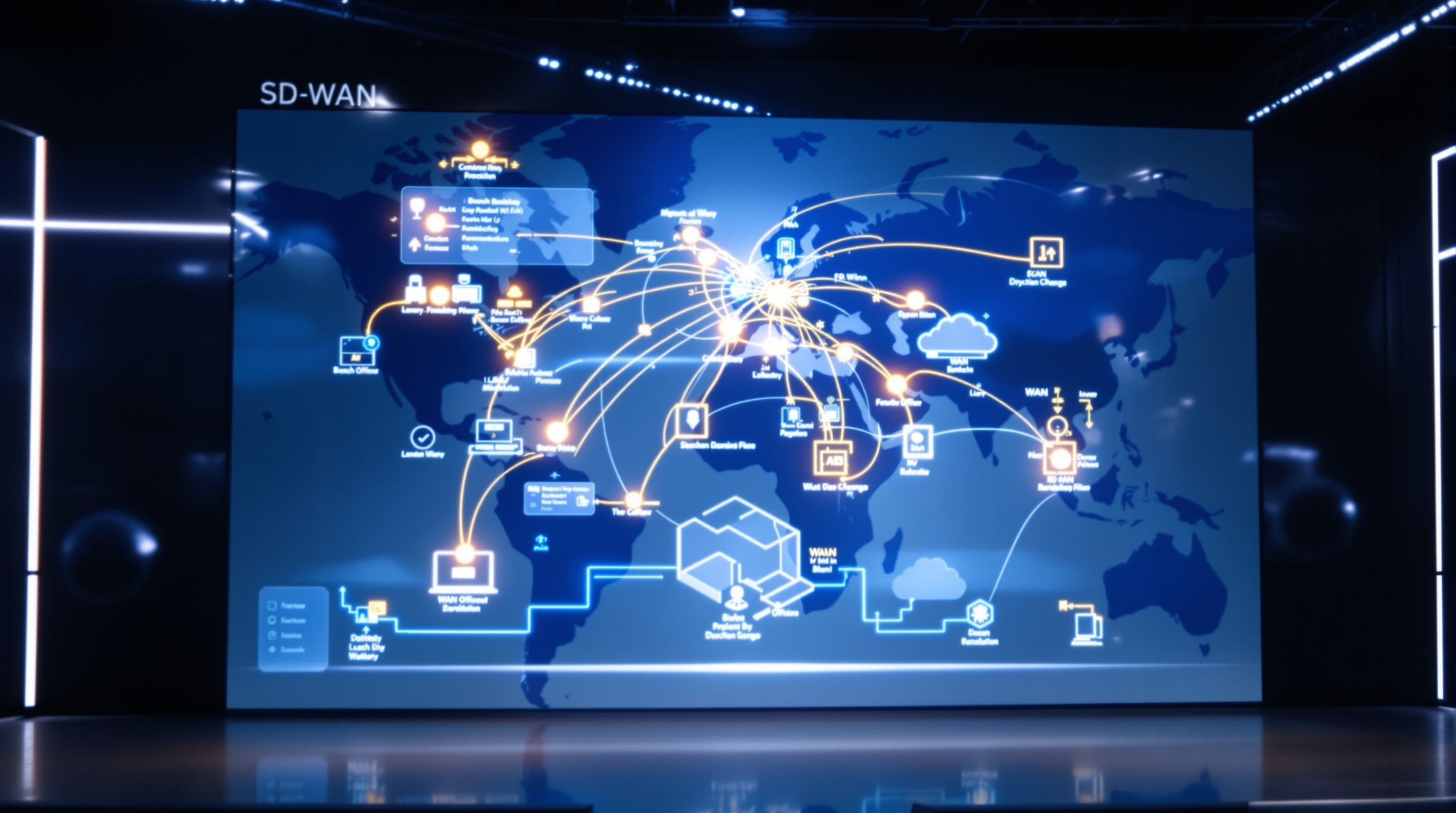
The networking industry has reached a decisive inflection point in mid-2026, with Gartner projecting that 60% of new SD-WAN purchases will be integrated into single-vendor Secure Access Service Edge (SASE) offerings by the end of the year—a dramatic increase from just 15% in 2022. This consolidation reflects enterprises' growing frustration with the operational complexity of managing separate networking and security stacks, and their desire for unified platforms that provide predictive, AI-driven security across increasingly complex hybrid and multi-cloud environments.
The shift from standalone SD-WAN to integrated SASE is being driven by several converging factors. Organizations are prioritizing simplified operations and unified policy enforcement over the flexibility of best-of-breed point solutions. The proliferation of cloud applications, remote workers, and IoT devices has made traditional perimeter-based security architectures unworkable, while the complexity of managing multiple vendor relationships for networking, firewall, secure web gateway, and zero-trust network access has created significant operational overhead.
AI-driven predictive security has emerged as a defining capability of next-generation SASE platforms. Modern SASE solutions leverage AIOps and agentic AI to continuously learn from network behavior, identity, and device posture, anticipating risks and automating mitigations before outages or security breaches occur. This shift from reactive to proactive security represents a fundamental change in how enterprises approach network security, with platforms now capable of identifying and responding to threats in milliseconds rather than the hours or days required by traditional security operations.
Universal Zero Trust Network Access (ZTNA) has evolved from a "bolt-on" feature to a foundational pillar of SASE architecture. Modern implementations extend ZTNA uniformly across all users, application types (SaaS, private, and legacy), and device classes, including the unmanaged IoT devices that represent a growing security challenge. SASE architects are employing device profiling and segmentation, integrating Secure Web Gateways into secure SD-WAN to protect IoT devices without requiring individual security agents.
The "Coffee Shop" networking model has moved from a conceptual framework to a mainstream deployment strategy, focusing on providing a wireless-first, internet-first experience that is cloud-managed and allows branch locations to operate without complex on-site hardware stacks. This approach is particularly relevant for distributed enterprises with large numbers of branch locations, where the cost and complexity of traditional WAN infrastructure has been a persistent challenge.
Sovereign SASE has emerged as a non-negotiable requirement for enterprises operating in regulated industries or jurisdictions with strict data residency requirements. Organizations are demanding SASE deployment options—including private edges and strategic points of presence—that allow them to maintain control over telemetry and encryption boundaries. This requirement is particularly acute for European enterprises preparing for EU AI Act compliance, where data sovereignty and processing location are subject to regulatory scrutiny.
Cisco has updated its SD-WAN integration with Megaport to facilitate on-demand access to AI data centers, while Macquarie Telecom has integrated Netskope's Security Service Edge platform into its SD-WAN offering to provide a comprehensive SASE solution. Security has become the primary factor in cloud platform selection for 55% of enterprises, surpassing price and performance, confirming that cloud strategy and security strategy have effectively merged in enterprise decision-making.
Source Attribution
Source: Gartner / Computer Weekly / SDxCentral / AlgoSec / HPE Community
Author: CloudStack Networks Editorial
Article curated and published by CloudStack Networks