UCaaS Platforms Evolve into Strategic AI Insight Engines as Microsoft Teams "Front Door" Architecture Dominates Enterprise Deployments
The UCaaS market in mid-2026 has shifted from communication infrastructure to strategic AI insight engines, with Microsoft Teams emerging as the dominant "front door" architecture while agentic AI automates meeting workflows, CRM integration, and real-time sentiment analysis across hybrid work environments.
The Unified Communications as a Service market has undergone a fundamental repositioning in 2026, transitioning from a communication infrastructure category to what industry analysts are calling a "strategic insight engine" for enterprise operations. Organizations are no longer evaluating UCaaS platforms solely on call quality, uptime, and feature parity—they are assessing platforms based on their ability to generate actionable business intelligence from communication data and automate complex multi-step workflows through agentic AI.
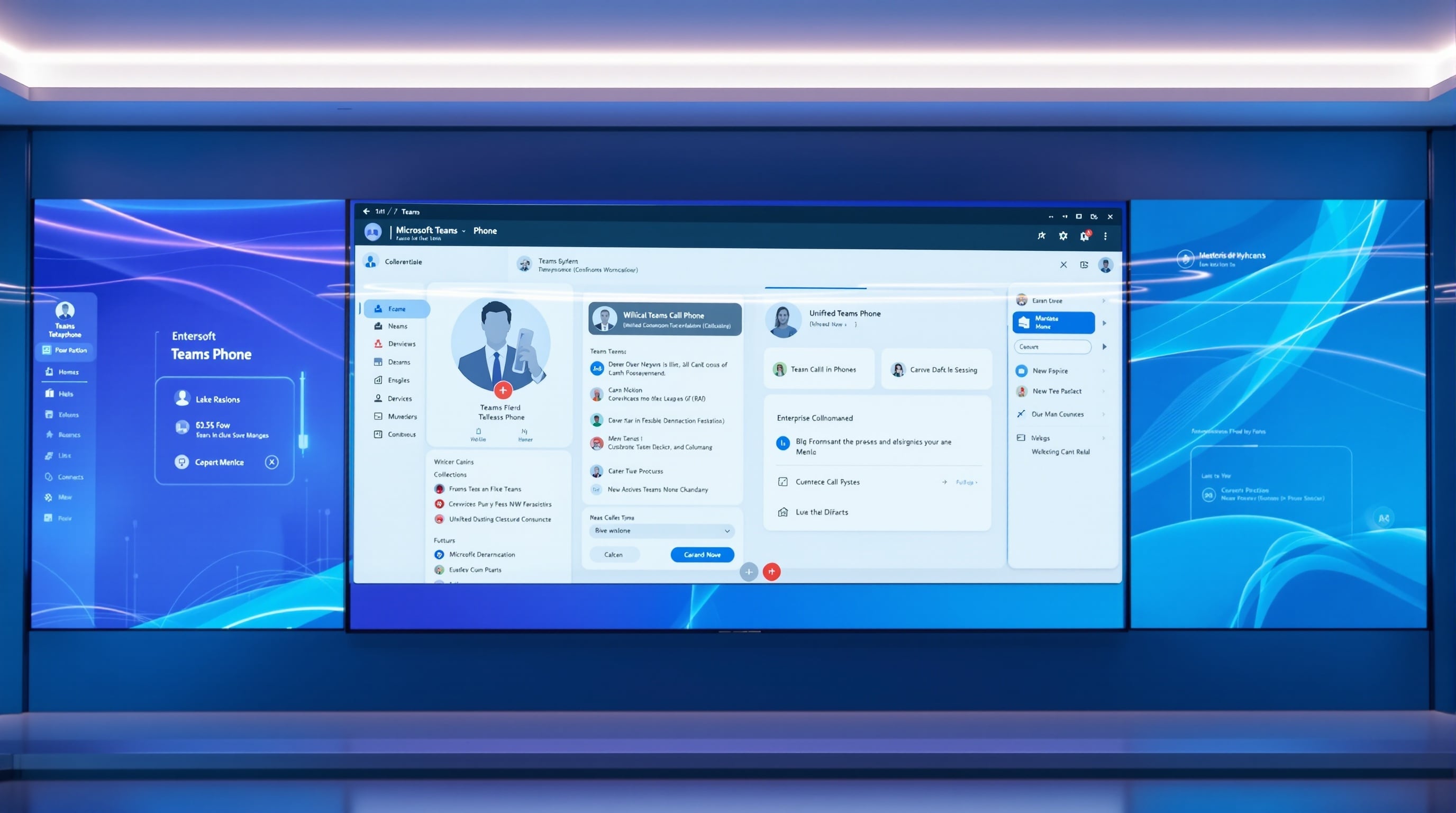
The dominant architecture emerging in mid-2026 involves using Microsoft Teams as the primary user interface—the "front door"—while routing enterprise-grade voice, compliance, and analytics through specialized communication platforms. This approach, adopted by a growing number of enterprises, allows organizations to maintain the collaboration experience employees prefer while offloading complex telephony, routing, and compliance requirements to purpose-built infrastructure from providers like RingCentral, Zoom, and 8x8. The model reflects the reality that Teams has achieved near-universal adoption in enterprise environments, making it the de facto collaboration standard even as its native telephony capabilities remain insufficient for complex enterprise requirements.
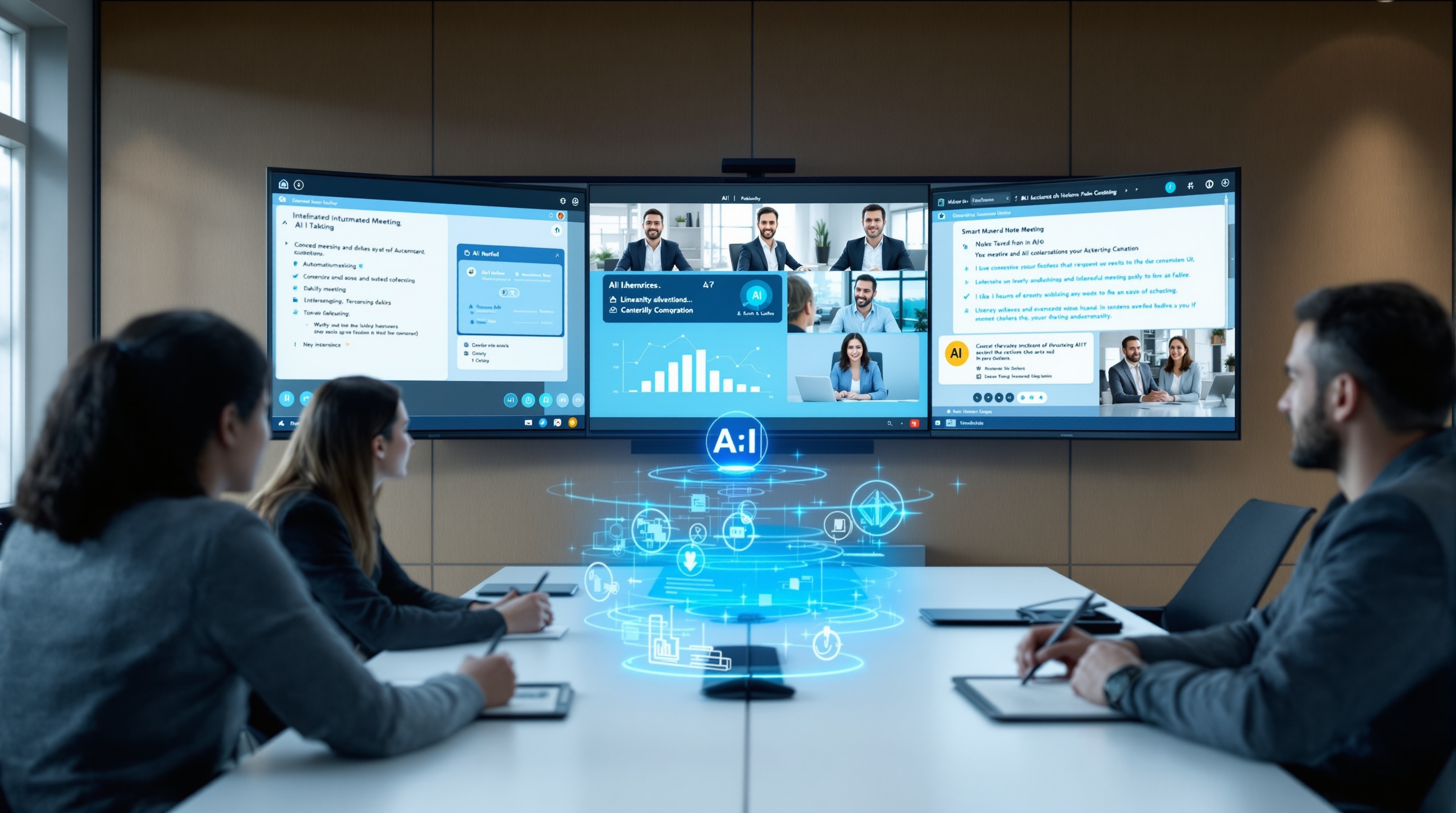
Agentic AI has moved from pilot programs to production deployments across leading UCaaS platforms. Unlike previous AI iterations that responded to simple prompts, agentic AI systems in 2026 autonomously reason, plan, and execute multi-step tasks. Practical implementations include automated meeting summaries that are generated and pushed directly into CRM systems like Salesforce and HubSpot without human intervention, real-time sentiment analysis and intent detection during calls that enable supervisors to intervene before issues escalate, and predictive analytics for trend forecasting, agent schedule optimization, and churn risk identification.
The convergence of UCaaS and CCaaS is accelerating as the boundary between internal collaboration and customer-facing interactions effectively disappears. Major providers including 8x8, RingCentral, GoTo Connect, Dialpad, and Nextiva have expanded their portfolios to offer omnichannel contact center solutions as part of their core UCaaS offerings. This convergence is forcing specialized CCaaS vendors to improve their unified communications capabilities, creating a competitive dynamic that is reshaping vendor positioning across both markets.
Security and compliance have evolved into strategic priorities as UCaaS becomes critical business infrastructure. Zero-trust architecture is now a baseline requirement, with platforms requiring continuous verification rather than relying on network location. Data residency requirements driven by global privacy regulations are creating pressure on vendors to provide regional data hosting, detailed audit logs, and HIPAA-eligible configurations. AI is being leveraged to automate record-keeping and data retention policies, particularly vital for regulated sectors including finance, healthcare, and legal services.
The employee experience dimension of UCaaS is gaining prominence as hybrid work becomes permanently established. Leading platforms are incorporating social-media-style dashboards inspired by Microsoft Viva and Workvivo to boost retention and engagement. These environments include customizable news feeds, recognition tools, poll voting, and live stream viewing capabilities. The era of legacy premise-based hardware has effectively ended, replaced by interactive whiteboards, digital signage, and Hardware-as-a-Service models that integrate seamlessly with cloud platforms.
Hardware innovation is supporting the UCaaS evolution, with AI-optimized endpoints that can perform local processing for noise cancellation, transcription, and real-time translation without relying entirely on cloud processing. This local AI capability reduces latency for real-time features and addresses data sovereignty concerns for organizations that cannot send audio streams to cloud AI services. The combination of AI-powered software platforms and intelligent hardware is creating a new generation of UCaaS experiences that were not technically feasible even 18 months ago.
Source Attribution
Source: SkySwitch / AudioCodes / GetVoIP / Fortay Connect / Leonidastek
Author: CloudStack Networks Editorial
Article curated and published by CloudStack Networks